Cell Factors™: Cell-Free Signaling Factors for Regenerative Research
Cellular aging research increasingly points to a central problem: communication breakdown at the receptor and signaling level.
Early-stage placental cells operate with a comprehensive regenerative messaging profile — one that supports tissue repair, immune regulation, and metabolic homeostasis. Researchers studying aging and regeneration have worked to understand what drives the decline of these processes and how they might be modeled or supported in laboratory settings.
Cell Factors™ is a placental-derived regenerative secretome developed to support that line of inquiry — and one of the first research-grade cell-free cell therapy products to deliver the full signaling output of early placental lineage cells in an acellular, DNA-free formulation.
What Are Cell Factors™?
Cell Factors™ delivers a full spectrum of messaging from key placental cell populations: Wharton’s Jelly, Amniotic Fluid and Membrane, Chorion, and Umbilical Cord Blood (UCB).
The formulation is best described as a regenerative placenta-derived secretome combination delivering the full messaging benefits of young healthy cells. This is done without the issues often encountered with other cell-based therapies, including:
- Undesirable immune responses
- Off-target and unexpected effects
- Live cell handling and degradation challenges
- Regulatory complexities tied to living cell therapies
This positions Cell Factors™ as a stable, research-grade tool for in vitro studies examining cell signaling, tissue recalibration, and receptor-level communication.
How It Compares to Other Regenerative Research Models
Researchers working in regenerative cell biology have historically relied on several model systems, each with limitations:
PRP (Platelet-Rich Plasma)
Activates basic healing pathways. The effect is limited to a narrow range of signaling targets. Cell Factors™ activates additional pathways (estimated to be 4- to 5-fold more).
Wharton’s Jelly / Stem Cell Models
Introduce living cells with regenerative potential, but formulation consistency and stability is difficult to control. Handling is complex and regulatory restrictions limit research availability.
Exosomes (Extracellular Vesicles / Exosome-Based Therapy Products)
They focus on cell signaling rather than live cell introduction. However, they typically activate fewer than 100 cell pathways and share sourcing and degradation challenges with stem cell models.
Cell Factors™
- Lyophilized, like other common research peptides, for consistency, potency, and easy protocol integration
- Activates 300+ targeted cell signaling pathways
- Acellular: no live cells, immunogenicity, or disease risk
- Ready for immediate use
- Designed for compatibility with existing peptide research
Research Applications
Cell Factors™ is being studied for its potential to support several areas of in vitro and preclinical research:
Receptor Sensitivity and Signaling
Cell Factors™ may help researchers study how placenta-derived “cell signals” can change the strength of receptor responses to other compounds over time. This can be useful in lab work looking at why cells sometimes become less responsive (tolerance/desensitization) to other molecules — or, in some cases, how signaling can be made more responsive.
Mitochondrial Function
Build-up of reactive oxygen species (ROS)—often called “oxidative stress”—is a major focus in cellular biology research. Cell Factors™ can be used to study how mitochondria (the cell’s energy centers) communicate with the nucleus (the cell’s control center), and how those signaling links may be made more robust in experimental systems.
Tissue Microenvironment and Inflammatory Signaling
Chronic inflammation is a well-documented barrier in tissue repair research. Cell Factors™ may support preclinical studies examining inflammatory regulation, including research related to:
- Vascular health
- Musculoskeletal tissue growth and repair
- Renal stress and regulation
- Neuroinflammation
Epigenetic Reprogramming Models
Because Cell Factors™ contains a broad mix of proteins and growth factors, it may be useful for research on how cells “reset” patterns of gene activity (often called epigenetic changes). In practical terms, it can help researchers explore how these signaling molecules influence older, stressed, or diseased cell types—and whether they shift key cellular markers back toward more healthy and youthful patterns in experimental models.
In Vitro Research Applications
| Research Area |
Potential Application |
| Aging biology |
Epigenetic recalibration and cellular aging models |
| Regenerative medicine |
Tissue microenvironment signaling studies |
| Mitochondrial research |
Mitochondrial-nuclear communication pathways |
| Inflammation research |
Cytokine amplification and upstream inflammatory triggers |
| Receptor pharmacology |
Receptor sensitivity and signaling coherence models |
| Metabolic research |
Integration with peptide and hormone pathway studies |
Available Research Formats
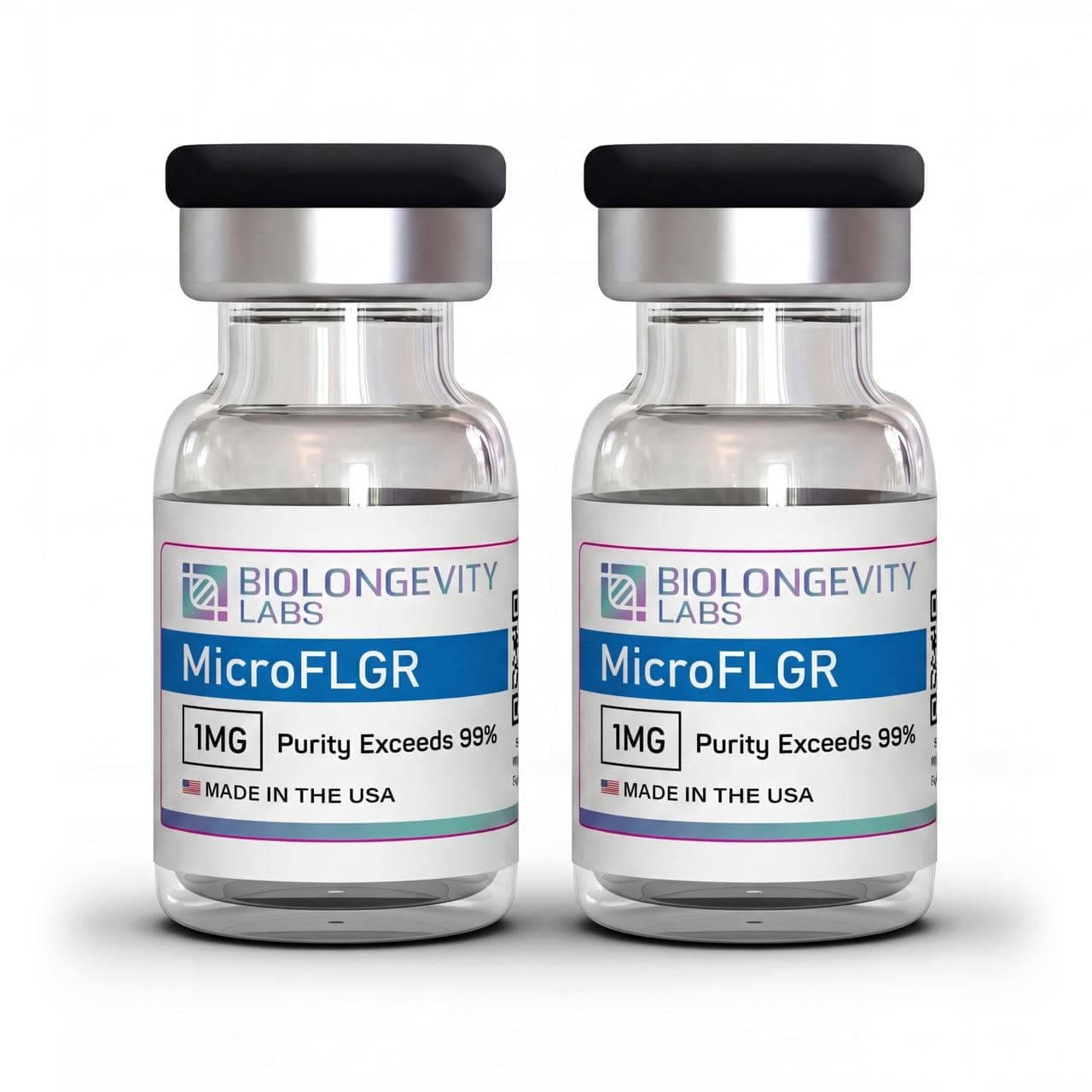
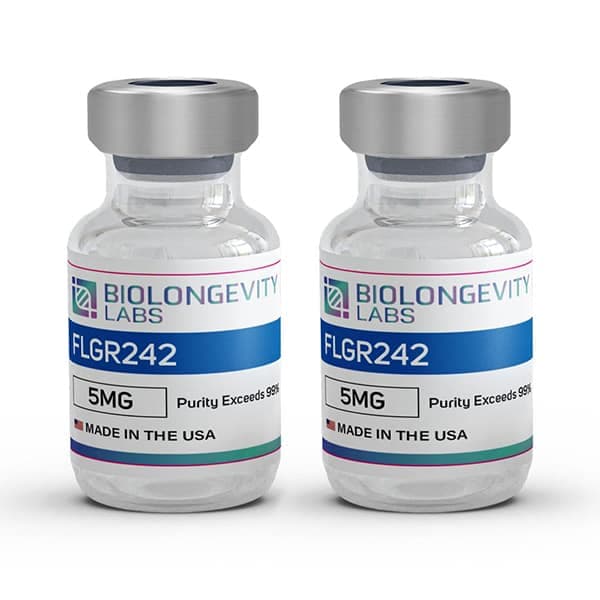
Cell Factors™ is available in three configurations to support varied research protocols:
- Single-cycle format
- Multi-cycle environmental recalibration programs
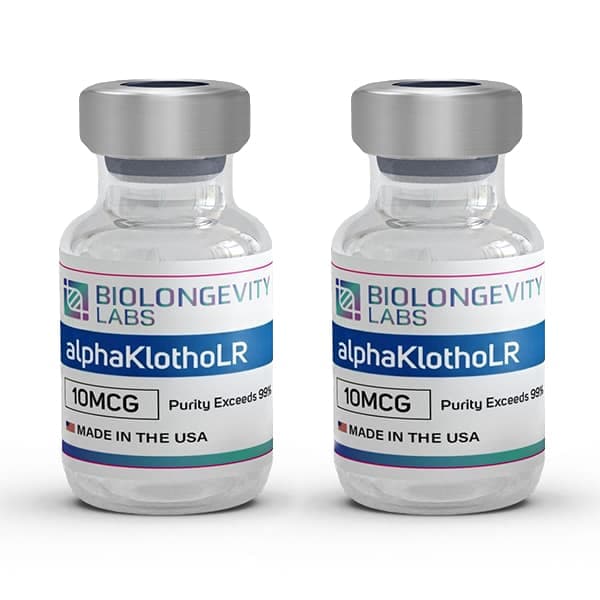
- Integrated research protocol with Klotho